
Contributed post.
Performance reviews still drag on, dashboards hide more than they reveal, and hybrid schedules can leave top contributors invisible. Gartner’s 2023 HR survey shows only 41 percent of employees feel they’re working at their peak. Meanwhile, the employee-performance-management software market is on track to hit $12.3 billion by 2025—proof that companies crave better tools.
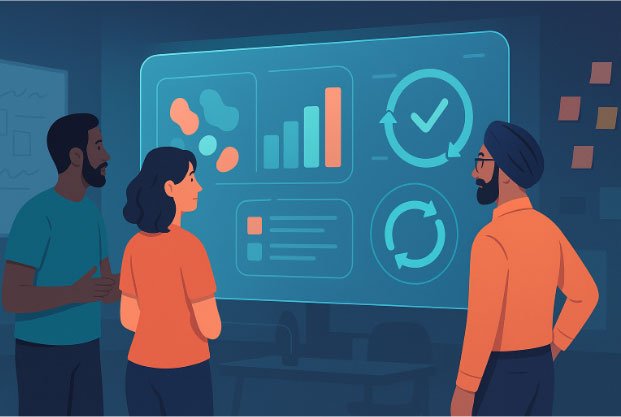 Team-performance platforms promise the fix. Platforms like TeamDynamics blend goal tracking, continuous feedback, and predictive analytics in one hub, letting managers coach in real time instead of grading last quarter’s work. This guide spotlights the must-have features, leading vendors, and a rollout playbook you can use today.
Annual reviews made sense when everyone shared one office and road maps rarely changed. Yet fifty-eight percent of U.S. companies still track performance in static spreadsheets while goals shift mid-quarter and hybrid teams stretch across four time zones. That lag forces managers to guess until problems become expensive.
With live feedback loops, team-performance software closes the gap. Employees who get weekly input are four times more likely to feel engaged, and organizations that practice continuous feedback experience turnover about fifteen percent lower than peers that do not.
Visibility matters just as much for distributed teams. A 2024 workplace-recognition survey showed that only thirty-five percent of fully remote workers feel “highly appreciated,” compared with fifty percent of onsite colleagues. Dashboards that surface contribution metrics and real-time praise shrink that gap and keep quiet high performers on leadership’s radar.
Alignment is the final piece. Modern platforms connect every team objectives and key results (OKR) to a company objective in real time, reduce status-meeting overload, and flag redundant work before it drains budget.
Taken together, real-time insight, fair recognition, and goal clarity have turned team-performance software from an optional perk into an operational necessity for 2025.
About seventy percent of organizations now run quarterly OKR cycles, yet only twenty-eight percent use dedicated software to track them. Spreadsheets hide dependencies, which makes it tough for teams to adjust when priorities shift. A purpose-built platform shows every objective in one view, lets each squad attach key results, and flags slippage in real time. Companies that add OKR software report a twenty-eight percent lift in cross-functional collaboration within the first year.
Gallup’s 2024 research shows that eighty percent of employees who receive meaningful feedback each week feel fully engaged—four times the global average. Modern HR tools weave micro-check-ins into Slack or Teams, log them automatically, and push action items to the next one-to-one. Two-question pulse surveys offer a quick health check, so you can step in before frustration settles.
Nearly half of U.S. companies already use predictive people analytics and report attrition cuts of about twenty percent. Leading suites blend performance trends, calendar load, and sentiment data to spot burnout risk weeks before an exit interview. Interactive heat maps expose stalled OKRs, while scenario sliders help leaders model how a hiring pause or faster deal velocity could move revenue.
A feature only matters if people click it. Top tools send reminders inside the apps employees open every hour—chat, calendars, project boards. Single sign-on trims password fatigue, and accessible color palettes help even first-week hires find a feedback thread in seconds. These small wins support daily-active-user (DAU) rates above sixty-five percent, the adoption line most vendors cite for return on investment.
Algorithms need to account for part-time schedules, caregiving breaks, and regional holidays. Leading platforms reveal scoring logic in plain language and scan peer feedback for biased wording before it lands. Role-based permissions protect pay data, and auto-purge timers satisfy GDPR and SOC 2 without extra work from your team.
With seventy-nine percent of remote-capable employees now working off-site at least part time, review windows must stretch across time zones. Video kudos, auto-translated surveys, and async comment threads keep reviews moving while half the team sleeps. Presence indicators show when colleagues are online, so you can time nudges respectfully and keep coaching cadence smooth.
Gartner reports that fewer than thirty percent of HR-tech pilots turn into company-wide rollouts because key questions go unasked. Keep this six-point checklist handy when you run demos.
Pin this list to your demo notebook. A platform that scores high on every point gives you faster ROI and avoids becoming shelfware.
G2, Capterra, and TrustRadius list nearly 10,000 combined reviews on performance-management software; for related tools in HR, payroll, and employee scheduling, see The Six Best Online HR, Payroll, and Employee Scheduling Tools. To shorten your shortlist, the summaries below blend user-rating data (retrieved July 2025) with entry-tier pricing where publicly listed. Always confirm rates at contract time; volume, modules, and implementation scope can move numbers fast.
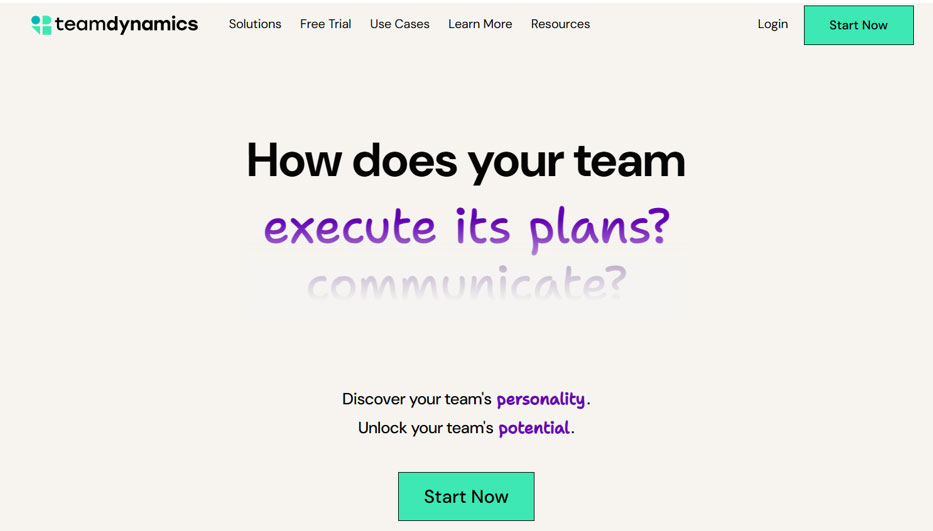
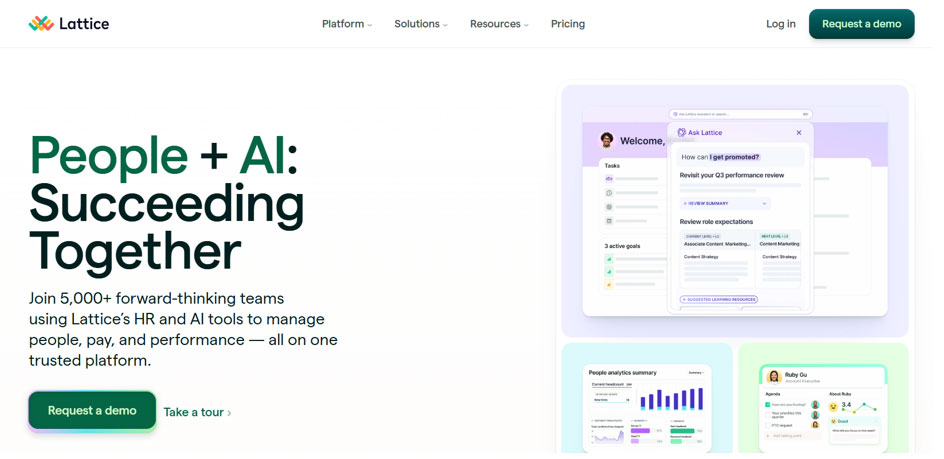
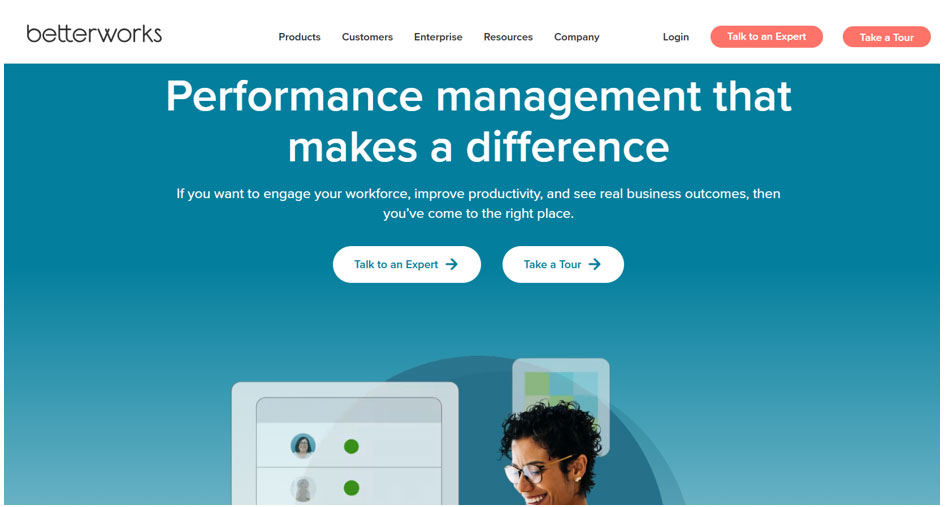
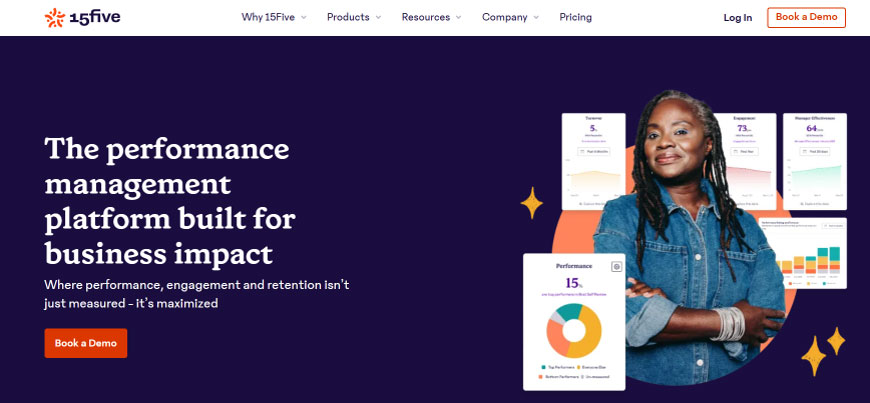
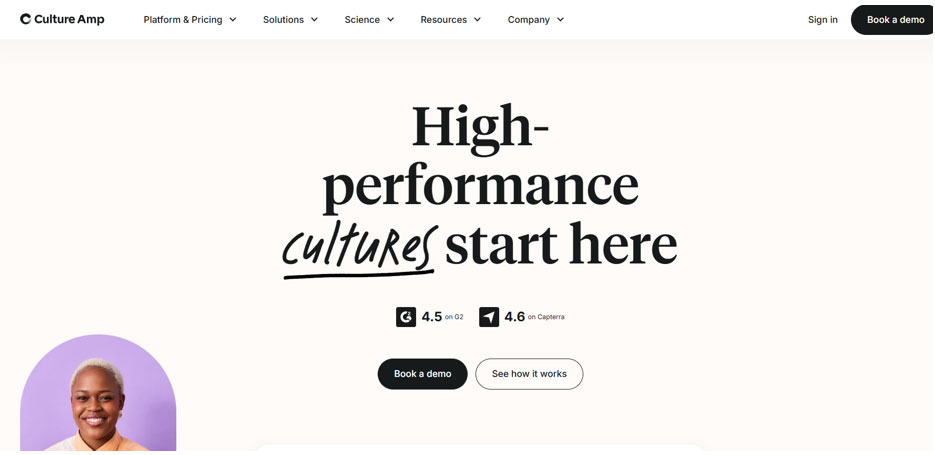
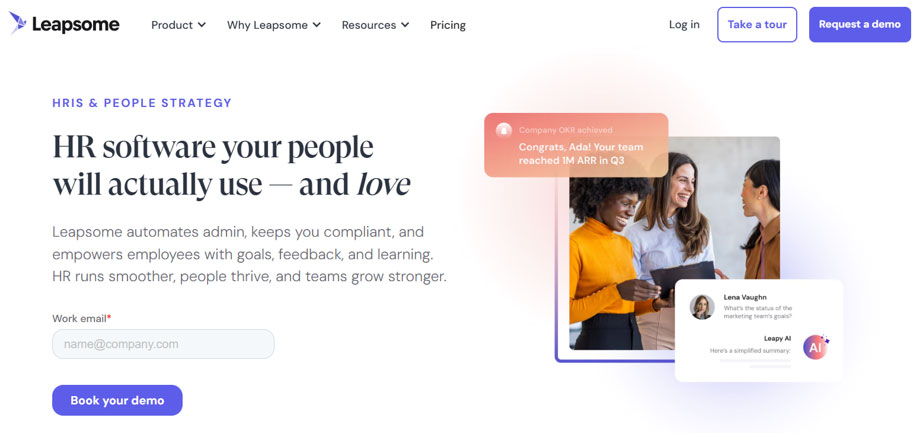
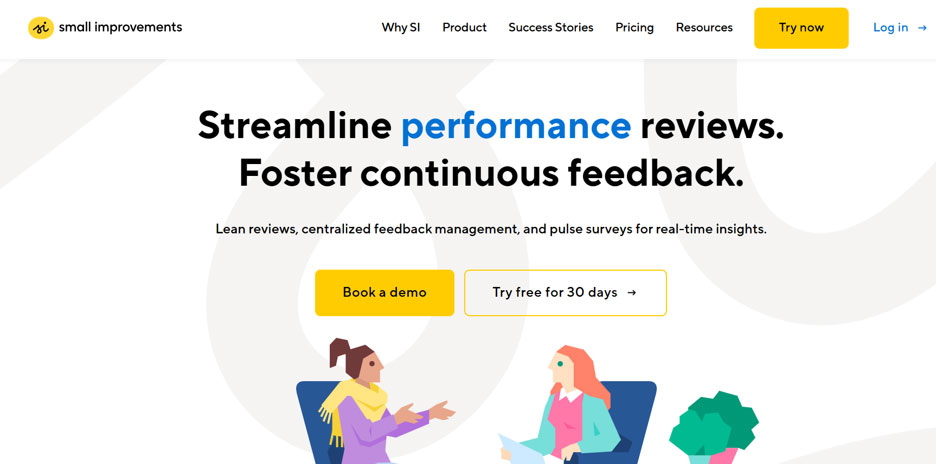
If you juggle multiple entities and heavy API traffic, Betterworks often wins on architecture despite price. Culture-driven teams lean toward Culture Amp for its survey library, even if feedback costs extra. Slack-centric groups usually start with 15Five and revisit the stack when analytics depth matters. Need a review track by Friday? Small Improvements spins up in an afternoon. If you want a single coaching-first system that ties OKRs to day-to-day feedback in Slack/Teams, TeamDynamics is the starting point.
The winning stack for 2025 makes performance a daily habit, not a quarterly ceremony. Prioritize tools that tie OKRs to lightweight feedback in the flow of work, automate nudges, and prove value with adoption and outcome metrics. Whether you choose a best-of-breed survey plus goals combo or a coaching-first suite like TeamDynamics, insist on a pilot that hits 65% DAU by week three and a 90-day plan that connects usage to business results. That’s how you turn software into sustained performance gains.
What’s the difference between OKR software and performance-management platforms?
OKR tools align goals; performance platforms add feedback, reviews, growth plans, analytics, and recognition. Many suites now bundle both so progress and coaching live together.
How long should a pilot run?
Four to six weeks with 8–12 cross-functional users is ideal. Target 65% DAU by week three and capture 3–5 workflow fixes before scaling.
What metrics prove ROI?
Leading indicators: DAU, number of feedback events/1:1s, % goals updated weekly. Lagging indicators: voluntary turnover, new-hire ramp time, OKR completion, manager eNPS.
How do we avoid bias in reviews?
Use bias-checkers on peer feedback, calibrate ratings across teams, and normalize for context like part-time schedules or leave. Keep scoring logic transparent and auditable.
What about data privacy?
Require SOC 2 Type II and ISO 27001. In the EU, ensure GDPR subject-access and retention workflows are point-and-click. Limit access via role-based permissions and auto-purge inactive records.
How much change-management is enough?
Plan micro-lessons embedded in the tool, manager office hours, and a simple “first 30 days” playbook. Assign a clear internal owner and meet weekly with the vendor’s CSM.
Do we need integrations on day one?
Start with SSO and chat (Slack/Teams). Add HRIS, calendar, and project management integrations once core behaviors (weekly updates, 1:1s) reach steady state.
When should we add predictive analytics?
After you have 8–12 weeks of consistent usage data. Start with burnout/attrition risk and stalled-goal heat maps, then layer scenario modeling for planning.